
From Inconsistent to Flawless: The Role of Automation in Carton Sealing
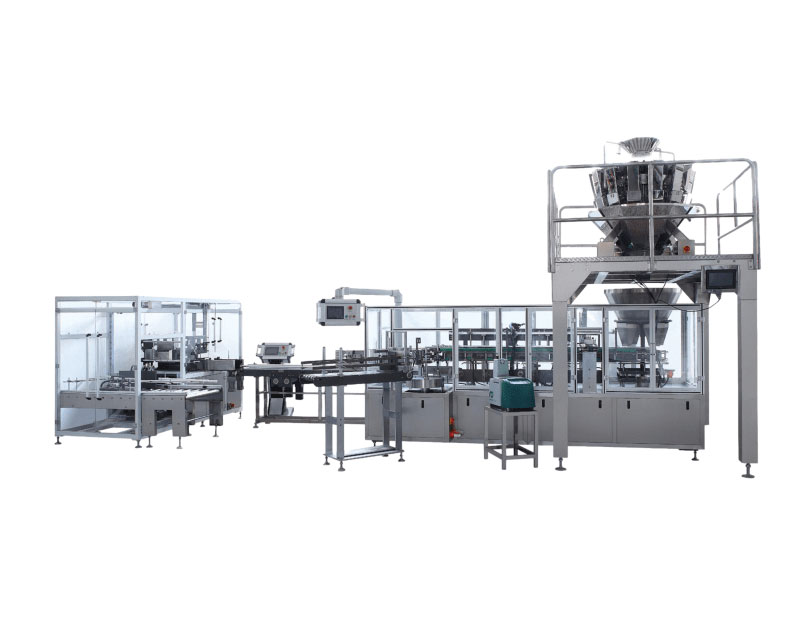
The Advantages of Fully Automatic Cartoning Machines in Modern Packaging
In today’s fast-paced manufacturing environment, efficiency, precision, and reliability are paramount. Fully automatic cartoning machines have emerged as a game-changing solution for industries requiring high-speed, consistent, and cost-effective packaging. These advanced systems offer numerous advantages over traditional manual or semi-automatic methods, making them indispensable in sectors such as pharmaceuticals, food and beverage, cosmetics, and consumer goods.
1. Enhanced Productivity & Speed
Fully automatic cartoning machines significantly boost production output by operating at high speeds—often exceeding 200 boxes per minute. Unlike manual packing, which is labor-intensive and prone to fatigue-related slowdowns, automated systems ensure uninterrupted performance, reducing cycle times and meeting large-scale demand efficiently.
2. Superior Precision & Consistency
Human errors in folding, loading, or sealing cartons can lead to product damage, misalignment, or rejected shipments. Automated cartoners eliminate these risks with precision-engineered mechanisms that ensure every box is uniformly formed, filled, and sealed according to exact specifications. This consistency enhances brand reputation and reduces waste.
3. Labor Cost Savings
By minimizing reliance on manual labor, businesses can reduce long-term operational costs. A single fully automatic cartoning machine can replace multiple workers while maintaining higher output levels, allowing companies to reallocate human resources to more value-added tasks.
4. Flexibility & Adaptability
Modern cartoning machines are designed to handle a wide variety of box styles, sizes, and materials, from standard tuck-end cartons to complex four- or six-corner boxes. Quick changeover features enable seamless transitions between product lines, making them ideal for businesses with diverse packaging needs.
5. Compliance & Hygiene Standards
Industries like pharmaceuticals and food require stringent hygiene and traceability compliance. Automated cartoning systems reduce human contact with products, minimizing contamination risks. Many machines also integrate vision inspection systems and serialization capabilities to meet regulatory requirements (e.g., FDA, EU GMP).
6. Reduced Material Waste
Advanced sensors and servo-driven controls optimize material usage, ensuring precise glue application and minimizing cardboard waste. This sustainability advantage aligns with eco-friendly initiatives while cutting material costs.
7. Seamless Integration with Production Lines
Fully automatic cartoners can be integrated with upstream and downstream equipment—such as blister machines, filling systems, or labeling units—to create a seamless, end-to-end packaging line. PLC controls and IoT connectivity further enable real-time monitoring and predictive maintenance.
Conclusion
Investing in a fully automatic cartoning machine translates to measurable gains in efficiency, quality, and profitability. As industries continue to prioritize automation, these systems will remain a cornerstone of competitive packaging strategies. For businesses aiming to scale production while maintaining impeccable standards, upgrading to automated cartoning technology is not just an option—it’s a necessity.
Interested in optimizing your packaging line? Contact us today to explore the best cartoning solutions tailored to your needs.
KAIXIANG MACHINERY – Innovating Packaging for Tomorrow’s Demands.